 NorCloud login

Environmental Noise
Measurement and evaluation of noise
Environmental noise refers to sound generated by mobile sources, such as traffic, and fixed sources, such as industrial activities or installations, which affects both the population and the environment in different contexts.
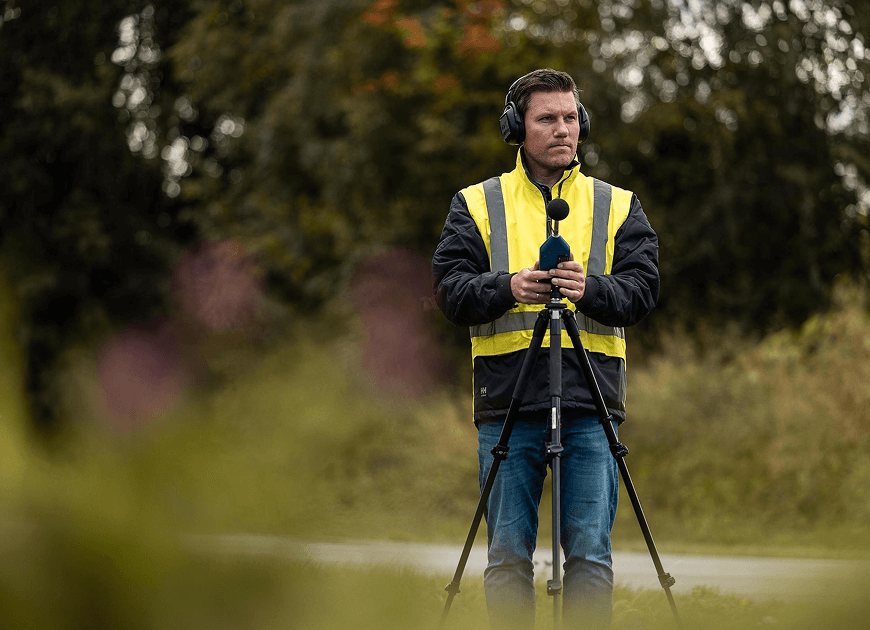


Why environmental noise measurements matter
Environmental noise measurements are used to assess noise exposure, conduct acoustic studies, and verify compliance with regulatory limits.
What is evaluated in environmental noise?
Environmental noise measurements address how noise:
-
Propagates from sound sources
-
Varies over time depending on activity and environmental conditions
-
Affects the population in terms of noise exposure
The objective is to quantify noise levels and evaluate their compliance with limits and criteria established by regulations, both through spot measurements and continuous monitoring.
Measurement accuracy and standard compliance

Reliable environmental noise measurements require Class 1 instrumentation compliant with IEC 61672. Frequency analysis must comply with IEC 61260.
Environmental noise assessment is carried out in accordance with international and local regulations and directives, such as the Environmental Noise Directive (END), the ISO 1996 series for the description and assessment of environmental noise, and applicable national standards.
.webp?width=1824&height=2736&name=Image-50-(1824x2736px).webp)
Noise source evaluation
Determination of sound levels generated by specific sources, such as traffic, activities, or installations, to characterize their acoustic behavior at the source. This allows analysis of the acoustic performance of the source and its potential impact on the environment. Read more...
.webp?width=1824&height=2736&name=Image-23-(1824x2736px).webp)
Noise levels at specific locations
Determination of sound levels at reception points using indicators such as equivalent levels, maximum levels, or percentiles such as L90, to characterize the acoustic conditions. These values represent the actual noise conditions at a specific area or location. Read more...
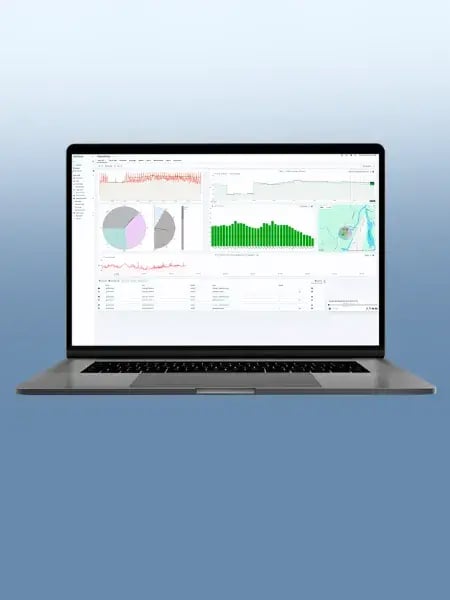
Noise exposure assessment
Determination of noise exposure using indicators such as Lden or Lnight, which represent accumulated noise over time and allow evaluation of the impact of noise under prolonged exposure conditions. Read more...
.webp?width=2736&height=1824&name=Image-2-(2736x1824px).webp)
Solutions for environmental noise measurements
Professional room acoustics testing requires:
-
Class 1 sound level meters
-
Noise monitoring stations
-
Data acquisition and storage systems
-
Data analysis and management platforms
-
Acoustic calibrators
Integrated measurement systems enable accurate environmental noise assessment, supporting regulatory compliance, noise management, and high-quality reporting.
.webp?width=2736&height=1824&name=Image-82-(2736x1824px).webp)
Norsonic - a trusted and innovative leader in environmental noise applications
Norsonic delivers a comprehensive portfolio of instruments and systems dedicated to environmental noise measurements. From handheld sound level meters to advanced multichannel solutions, our technology is engineered to meet the full range of acoustic measurement tasks, from basic sound insulation tests to complex analyses.
Intuitive software, flexible configuration, and powerful analysis tools provide efficient workflows and clear, reproducible reporting. Wireless operation and Wi-Fi connectivity reduce cabling and simplify logistics on site, while project management directly on the instrument helps optimise measurement campaigns and ensure consistent, reliable results.


