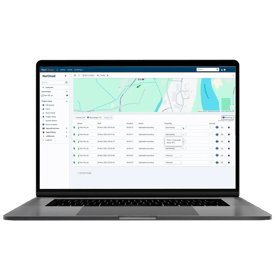
NorCloud login



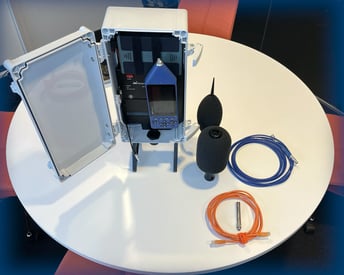
Noise Compass is a tool for monitoring environmental noise that allows you to identify the dominant direction from which noise is coming in an area under study.
In a conventional acoustic measurement, only the total sound pressure level is obtained, which includes all sources present. Noise Compass adds directional information, allowing noise from a specific zone or area to be filtered out from other external contributions such as traffic, nearby activities or other unrelated sources.
Thanks to this information, it is possible to define sectors of interest and calculate representative noise levels for a specific area, reducing the influence of extraneous noise and minimising manual analysis time.
This video uses a real urban example to show how Noise Compass allows the total level received to be compared with the level contributed by a specific area, demonstrating significant differences between the two values.
This first video in the series explains what Noise Compass is, how directional analysis works, and in which situations it is particularly useful for environmental noise studies, construction sites, and industrial environments.
/NorCloud-transparent(1000x1000px)/NorCloud-NoiseCompass-PC.webp?width=450&height=275&name=NorCloud-NoiseCompass-PC.webp)